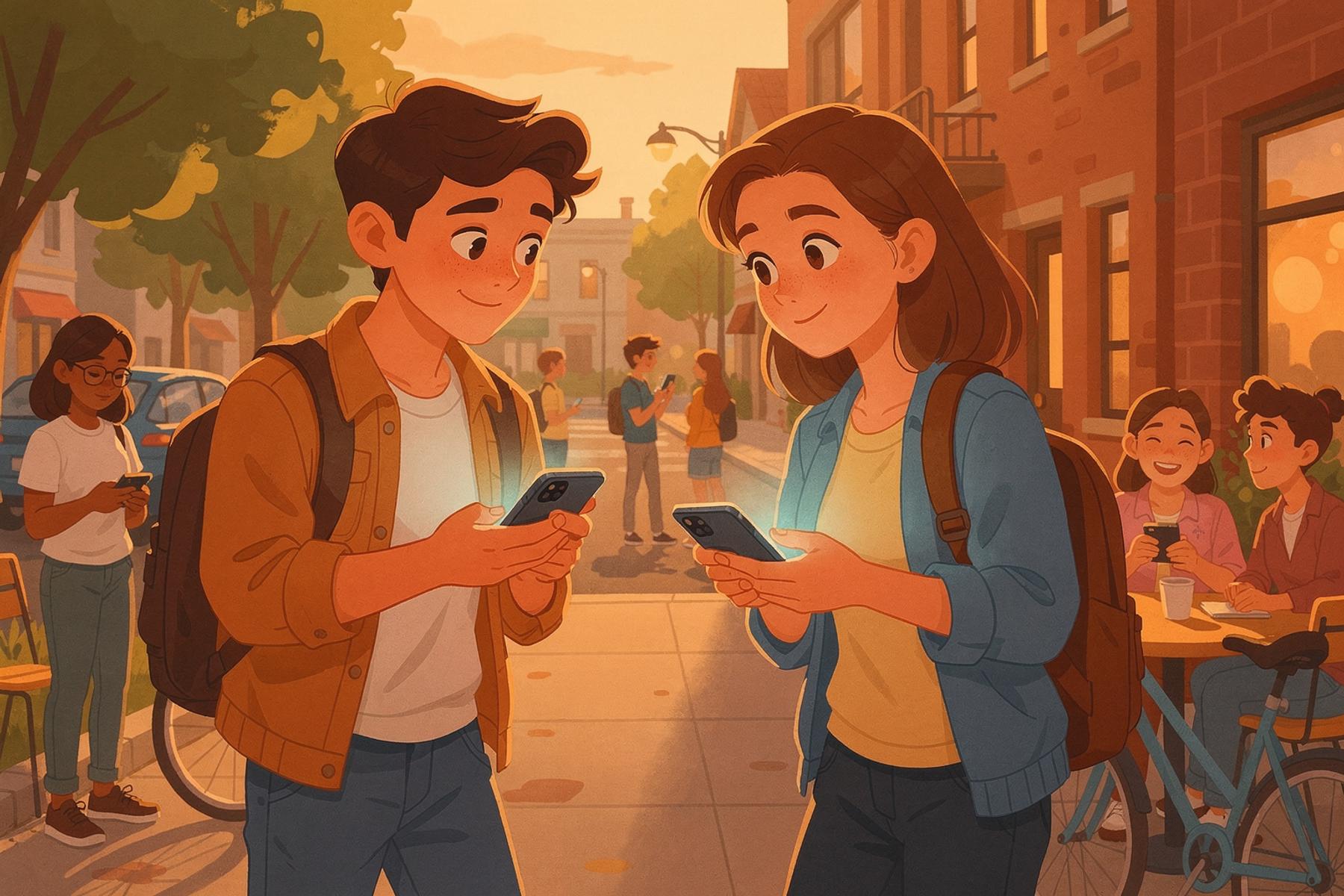
Dating Apps That Show People You Crossed Paths With
You’re sitting in your favorite coffee shop, sipping your latte, when someone walks in. There’s something familiar about them. You rack your brain, where have you seen them before? The grocery store? The gym? The subway? That fleeting moment of recognition lingers, but life moves on, and the opportunity to say hello slips away. What if there was a way to follow up on those everyday encounters without the pressure of traditional dating apps?
Proximity-based apps are changing the way we think about meeting people. Instead of swiping through endless profiles or relying on algorithms to match you with strangers, these apps focus on the people you’ve already crossed paths with in real life. They turn chance encounters into meaningful connections, whether that’s friendship, collaboration, or something more. Let’s explore how these apps work and why they might be the refreshing change you’ve been looking for.
How Proximity-Based Apps Work
Proximity-based apps use location data to detect when you’ve been near other users. Unlike traditional dating apps, which prioritize profile compatibility or swiping mechanics, these apps focus on real-world interactions. Here’s how they typically function:
- Location Detection: The app tracks your location in the background (with your permission) and logs when you’re near other users.
- Encounter Logging: If you cross paths with someone else using the app, it records the encounter.
- Mutual Interest: Some apps require both users to express interest before a conversation can start, ensuring a respectful and low-pressure experience.
- Minimal Profiles: Instead of lengthy bios or curated photos, these apps often use simple profiles, just enough to jog your memory about where you might have seen someone.
This approach removes the guesswork of online dating. You’re not matching with strangers based on a few photos or a clever bio. Instead, you’re reconnecting with people you’ve already seen, making the interaction feel more natural and grounded in real life.
Why Real-Life Encounters Matter
There’s something special about meeting someone in person. A smile exchanged in line at the bakery, a nod of recognition at a concert, or a brief conversation while waiting for the bus can spark a connection that feels more authentic than anything online. Proximity-based apps capture that magic and give you a way to follow up.
Here’s why real-life encounters make a difference:
- Shared Context: When you reconnect with someone you’ve seen before, you already have a shared experience. Maybe you frequent the same park or attend the same yoga class. That common ground makes starting a conversation easier.
- Reduced Pressure: There’s no need to impress someone with a perfect profile. The connection is based on real-life interactions, not curated online personas.
- Serendipity: Life is full of unexpected moments. Proximity-based apps help you turn those moments into opportunities for connection, whether it’s a new friendship, a professional collaboration, or something else entirely.
The Ethical Side of Proximity-Based Apps
Not all proximity-based apps are created equal. Some prioritize engagement and monetization over user experience, while others focus on creating a respectful, ethical space for connection. Here’s what to look for in an app that values its users:
- Privacy-First: The app should never sell your data or use it for targeted advertising. Your location and personal information should be protected.
- No Algorithmic Manipulation: Avoid apps that use algorithms to push certain profiles or manipulate your feed. A good proximity-based app lets connections happen naturally.
- Mutual Opt-In: Both users should have to express interest before a conversation can start. This ensures that everyone is on the same page and reduces unwanted messages.
- Ad-Free Experience: Ads can disrupt the user experience and make the app feel less personal. Look for apps that prioritize simplicity and authenticity over monetization.
Apps like Matuvu are built with these principles in mind. They focus on reconnecting people who have crossed paths in real life, without categorizing users or forcing intentions. The goal is to create a space where connections can evolve naturally, whether that’s friendship, affinity, or collaboration.
How to Make the Most of Proximity-Based Apps
Proximity-based apps are a tool, and like any tool, how you use them matters. Here are some tips to get the most out of your experience:
Be Open to Different Outcomes
One of the best things about proximity-based apps is that they don’t limit your connections to one type of relationship. A real-life encounter could lead to:
- Friendship: Maybe you meet someone who shares your love of hiking or photography. A proximity-based app can help you turn that shared interest into a lasting friendship.
- Affinity: You might reconnect with someone who has a similar passion, like a love of books, music, or travel. These affinities can lead to meaningful conversations and shared experiences.
- Collaboration: Proximity-based apps aren’t just for personal connections. They can also help you find like-minded professionals for projects, networking, or creative collaborations.
Keep It Simple
Proximity-based apps work best when you approach them with simplicity. There’s no need to overthink your profile or craft the perfect opening line. Instead:
- Use a clear photo that reflects how you look in real life.
- Keep your profile minimal, just enough to help someone recognize you.
- Start conversations naturally. Mention where you might have seen each other or share a simple observation about your shared context.
Respect Boundaries
Not every encounter will lead to a connection, and that’s okay. Respect the other person’s response, whether they’re interested in chatting or not. Proximity-based apps are about creating a respectful space for connection, not pushing for outcomes.
Stay Safe
While proximity-based apps can be a great way to meet new people, it’s important to stay safe. Here are a few tips:
- Meet in public places for the first time.
- Let a friend or family member know where you’re going.
- Trust your instincts. If something feels off, it’s okay to walk away.
Real-Life Stories: How Proximity-Based Apps Are Changing Connections
Proximity-based apps aren’t just theoretical, they’re already helping people reconnect in meaningful ways. Here are a few examples of how real users have benefited:
Finding a New Friend
Sarah moved to a new city and was struggling to meet people. She downloaded a proximity-based app and noticed someone who frequented the same farmers’ market. They started chatting and realized they had a lot in common. What started as a simple hello turned into a weekly coffee date and a new friendship.
A Professional Collaboration
James was a freelance graphic designer looking for a writer to collaborate on a project. He used a proximity-based app to connect with someone who worked in the same co-working space. They met for coffee, discussed their ideas, and ended up partnering on a successful project.
Reconnecting with an Old Acquaintance
Emma had lost touch with a colleague from a previous job. She saw them pop up on her proximity-based app and sent a quick message. They met up for lunch and rekindled their professional relationship, leading to new opportunities.
Why Proximity-Based Apps Are a Breath of Fresh Air
Traditional dating apps can feel overwhelming. The endless swiping, the pressure to present a perfect profile, and the algorithmic matching can make the experience feel more like a chore than an opportunity for connection. Proximity-based apps offer a refreshing alternative by focusing on real-life encounters.
Here’s why they stand out:
- No Swiping: You’re not judging profiles based on a few photos or a clever bio. Instead, you’re reconnecting with people you’ve already seen in real life.
- No Algorithms: There’s no mysterious algorithm deciding who you should meet. Connections happen naturally, based on real-world interactions.
- No Pressure: Proximity-based apps are designed to be low-pressure. There’s no need to force a romantic connection, friendships and collaborations are just as valuable.
How to Get Started
If you’re ready to try a proximity-based app, here’s how to get started:
- Download the App: Choose an app that aligns with your values. For example, Matuvu is a great option for those looking for a simple, ethical, and ad-free experience.
- Set Up Your Profile: Keep it minimal. Use a clear photo and avoid overthinking your bio. The goal is to help people recognize you, not impress them.
- Explore Your Encounters: Check the app regularly to see who you’ve crossed paths with. If someone catches your eye, send a simple message to start a conversation.
- Be Patient: Not every encounter will lead to a connection, and that’s okay. The beauty of proximity-based apps is that they help you follow up on real-life moments, making each interaction feel more meaningful.
The Future of Social Connection
Proximity-based apps are more than just a trend, they’re a shift in how we think about social connection. By focusing on real-life encounters, these apps help us reconnect with the people around us in a way that feels natural and authentic. Whether you’re looking for friendship, collaboration, or something else entirely, proximity-based apps offer a fresh alternative to traditional dating platforms.
The next time you see someone familiar, don’t let the moment slip away. With a proximity-based app, you can turn that fleeting encounter into a lasting connection.