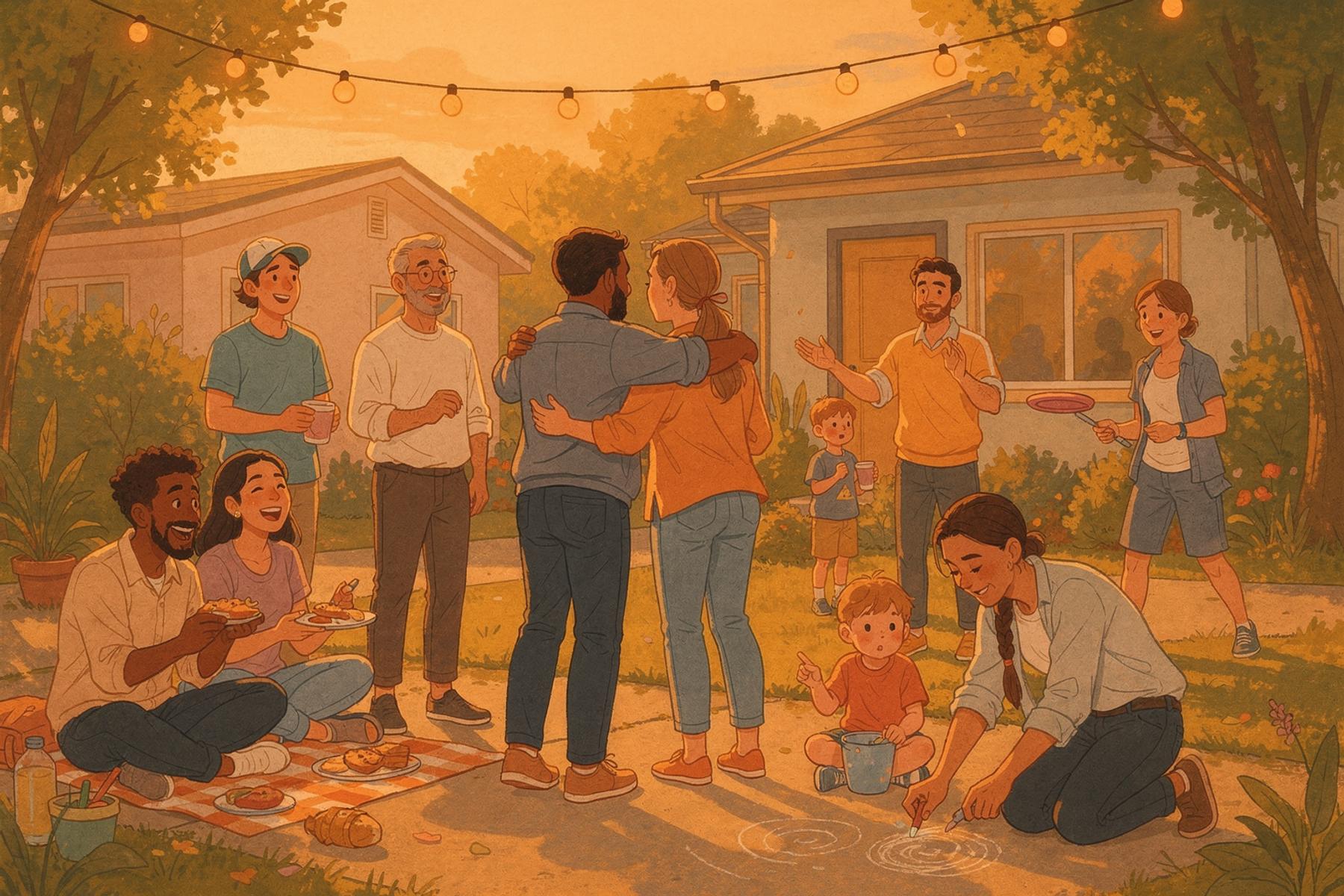
Why Community Activities Build Stronger Bonds
Imagine walking into a bustling farmers market on a Saturday morning. The air smells of fresh bread and ripe fruit. Around you, people chat with vendors, laugh with friends, and share recommendations. You don’t know anyone yet, but you feel something familiar in the air. A sense of belonging. That’s the magic of community activities, they turn strangers into neighbors, and neighbors into friends.
The Science Behind Shared Experiences
Human connection thrives on shared moments. When we engage in activities together, our brains release oxytocin, often called the “bonding hormone.” This chemical reaction makes us feel closer to those around us, even if we’ve just met. Studies show that people who participate in group activities report higher levels of trust and emotional support than those who don’t.
But why do these experiences feel so powerful? It’s simple. Shared activities create a common ground. Whether you’re volunteering at a local shelter, joining a book club, or attending a neighborhood cleanup, you’re working toward something bigger than yourself. That shared purpose breaks down barriers and makes conversations flow naturally.
How Community Activities Strengthen Bonds
1. They Remove Social Pressure
In everyday life, starting a conversation with a stranger can feel awkward. But in a community setting, the activity itself gives you something to talk about. You’re not just standing there trying to think of something to say, you’re working side by side, laughing at the same jokes, or cheering for the same team. The pressure to perform socially disappears, and real connections emerge.
2. They Create Repeated Interactions
One of the biggest challenges in forming friendships as adults is consistency. You might meet someone interesting at a party, but if you never see them again, the connection fades. Community activities solve this problem. Whether it’s a weekly yoga class, a monthly potluck, or an annual festival, these events bring the same people together over and over. Repeated interactions build familiarity, and familiarity builds trust.
3. They Encourage Vulnerability
When you’re part of a group activity, you’re not just sharing space, you’re sharing a piece of yourself. Maybe you’re trying a new skill, like painting or dancing, and you’re not very good at it. That vulnerability creates an opportunity for others to relate to you. They might share their own struggles, and suddenly, you’re not just acquaintances, you’re people who understand each other.
4. They Foster a Sense of Belonging
Humans are wired to seek belonging. We want to feel like we’re part of something bigger than ourselves. Community activities provide that sense of belonging by giving us a shared identity. Whether you’re a regular at the local dog park, a member of a running club, or a volunteer at a community garden, you’re part of a group. That identity makes you feel seen, valued, and connected.
Real-Life Examples of Community Activities
Not sure where to start? Here are some community activities that can help you build stronger bonds:
- Volunteering: Whether it’s serving meals at a shelter, tutoring kids, or cleaning up a park, volunteering connects you with people who share your values.
- Classes and Workshops: From cooking classes to pottery workshops, these settings bring together people with similar interests.
- Sports and Fitness Groups: Joining a local soccer team, running club, or yoga class is a great way to meet people while staying active.
- Book Clubs and Discussion Groups: If you love reading, a book club can introduce you to people who enjoy the same genres and ideas.
- Neighborhood Events: Block parties, farmers markets, and street fairs are perfect for meeting people who live nearby.
- Hobby Groups: Whether it’s knitting, hiking, or board games, hobby groups bring together people who share your passions.
How to Make the Most of Community Activities
Joining a community activity is just the first step. To build stronger bonds, you need to engage actively. Here’s how:
Show Up Consistently
The more you attend, the more familiar you’ll become with the group. Consistency shows that you’re committed, and it gives others the chance to get to know you.
Be Open and Approachable
Smile, make eye contact, and be willing to start conversations. Ask questions about others’ experiences and share a little about yourself. The more open you are, the more others will feel comfortable opening up to you.
Participate Fully
Don’t just stand on the sidelines. Jump into the activity with enthusiasm. Whether you’re helping set up for an event, joining a group discussion, or trying a new skill, your participation will make the experience more meaningful for everyone.
Follow Up After the Event
If you meet someone you’d like to get to know better, don’t be afraid to follow up. A simple message like, “Hey, I really enjoyed talking with you at the book club. Would you like to grab coffee sometime?” can turn a casual encounter into a lasting friendship.
Turning Everyday Encounters into Lasting Connections
Community activities are a powerful way to meet new people, but what happens after the event ends? How do you keep those connections alive?
That’s where a social proximity app like Matuvu comes in. Matuvu helps you reconnect with people you’ve crossed paths with in real life. Whether you met someone at a farmers market, a yoga class, or a neighborhood cleanup, Matuvu makes it easy to follow up and let the connection grow naturally. It’s not about forcing a relationship, it’s about giving real-life encounters a chance to evolve.
With Matuvu, you can see the people you’ve been near in the last 24 hours. If you recognize someone from a community activity, you can reach out and say hello. The app is designed to be simple and respectful, with no pressure or expectations. It’s just a tool to help you continue the conversations that started in real life.
The Long-Term Benefits of Stronger Bonds
Building stronger bonds through community activities doesn’t just make life more enjoyable, it also has long-term benefits for your well-being. Studies show that people with strong social connections are happier, healthier, and even live longer. They have lower levels of stress, stronger immune systems, and a greater sense of purpose.
But the benefits go beyond health. Stronger bonds also create a support system. Whether you need help moving, advice on a tough decision, or just someone to listen, having a network of people you trust makes life’s challenges easier to navigate.
Take the First Step
Building stronger bonds through community activities starts with one simple action: showing up. Whether it’s a local event, a class, or a volunteer opportunity, take the first step. Be open, be present, and let the connections grow naturally.
And if you want to make it even easier to reconnect with the people you meet, download Matuvu. It’s a simple, ethical way to follow up on real-life encounters and let relationships evolve in their own time.
Download Matuvu on the App Store
Download Matuvu on Google Play
Community activities have the power to transform your social life. They turn strangers into friends, acquaintances into allies, and everyday moments into memories. So why wait? Find an activity that excites you, show up, and let the connections begin.