How to Find Someone You Saw on the Commuter Train
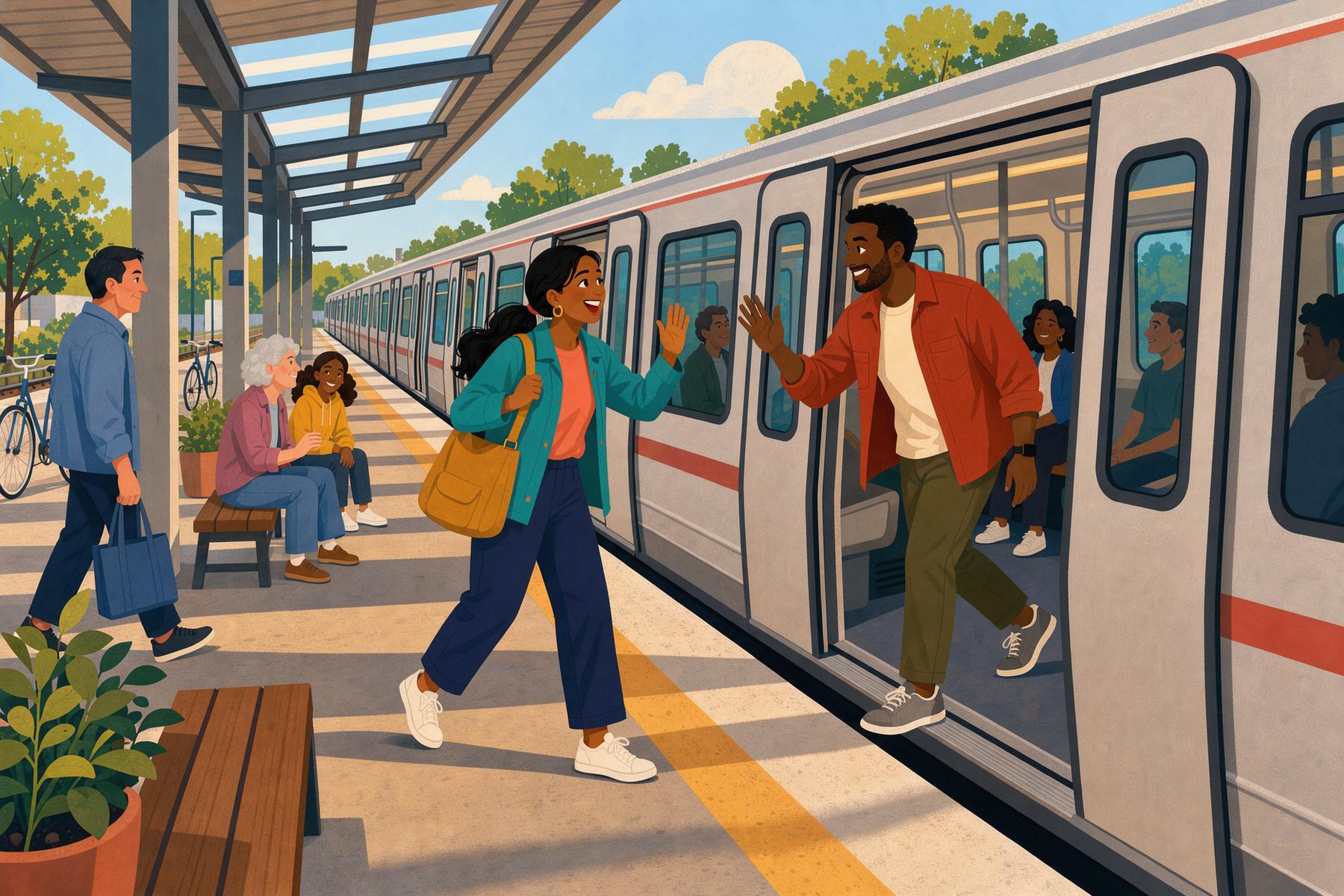
You’re on your usual commuter train, coffee in hand, scrolling through your phone when you glance up and notice someone. Maybe it’s the way they’re laughing at a podcast, or how they’re completely absorbed in a book you’ve been meaning to read. You exchange a quick smile, or maybe just a fleeting look, but before you know it, your stop arrives and the moment passes. Later, you can’t stop thinking about it. What if that person was someone you’d really like to know?
The good news is, those brief, everyday encounters don’t have to stay just that, brief. With a little intention and the right tools, you can turn a fleeting moment into a real-life connection. Here’s how to do it respectfully and effectively.
Why These Moments Matter
We’ve all been there. A crowded subway, a quiet bus, or a packed train car can feel like a microcosm of the world, filled with people who share the same routines, the same spaces, and sometimes, the same unspoken curiosity. These moments aren’t just random, they’re opportunities. Opportunities to meet someone new, to share a conversation, or even to discover a shared interest that could lead to friendship, collaboration, or something else entirely.
The key is recognizing that these encounters are already meaningful. You don’t need to force an outcome. Whether it’s a smile, a nod, or just a feeling of connection, these small interactions are the building blocks of real-life social networks. The challenge is figuring out how to follow up on them in a way that feels natural and respectful.
Step 1: Trust Your Instinct
If you’re thinking about someone you saw on the train, it’s usually for a reason. Maybe they reminded you of a friend, or you noticed something about them that sparked your curiosity. Whatever it is, trust that instinct. It’s okay to want to reconnect, it’s a very human thing to do.
That said, it’s important to approach the situation with respect. Not everyone is open to being approached, and that’s okay. The goal isn’t to force a connection but to create an opportunity for one to develop naturally. If the other person isn’t interested, that’s fine. The beauty of real-life encounters is that they’re organic, and so are the connections that come from them.
Step 2: Use a Proximity-Based App
One of the simplest ways to reconnect with someone you saw on the train is by using a proximity-based social app. These apps are designed to help people follow up on real-life encounters without the pressure or expectations that come with traditional social or dating apps.
Take Matuvu, for example. It’s a social proximity app that shows you the people you’ve crossed paths with in the last 24 hours. There’s no swiping, no algorithmic matching, and no gender or orientation filters. You see everyone who was nearby, and if you’re both interested, you can start a conversation. It’s simple, respectful, and open-ended, just like real life.
Here’s how it works:
- You sign up and create a minimal profile (just one photo, no bio, no personal details).
- The app detects other users who were near you in the last 24 hours.
- If you recognize someone, you can send them a message.
- If they’re interested, they can respond. If not, no pressure.
It’s a low-stakes way to turn a fleeting moment into a potential connection. And because it’s based on real-life proximity, it feels more authentic than matching with someone based on a profile or an algorithm.
Step 3: Be Direct but Respectful
If you do decide to reach out, keep your message simple and direct. There’s no need to overthink it. A short, friendly message is usually the best approach. Here are a few examples:
- “Hey, I think we were on the same train this morning. I noticed you were reading [book title], I’ve been meaning to read that!”
- “Hi, I saw you on the 7:30 train to downtown. I was the one with the blue backpack. Hope you’re having a great day!”
- “Hey, I think we crossed paths on the train yesterday. I’m [first name], by the way.”
The key is to keep it light and open-ended. You’re not asking for anything, just opening the door for a conversation. If the other person responds, great. If not, that’s okay too. The goal is to create an opportunity, not to force an outcome.
Step 4: Let the Connection Evolve Naturally
If the other person does respond, let the conversation flow naturally. There’s no need to rush or overthink it. Maybe you’ll discover a shared interest, or maybe you’ll just enjoy a quick chat. Either way, it’s a chance to connect with someone new.
Real-life connections can lead to all sorts of outcomes, friendship, collaboration, or even just a pleasant conversation. The beauty of it is that you don’t have to define it. Let it evolve naturally, and see where it takes you.
Step 5: Respect Boundaries
Not every encounter will lead to a connection, and that’s okay. If someone doesn’t respond to your message, or if they’re not interested in continuing the conversation, respect their boundaries. There’s no need to follow up or push the issue. The goal is to create opportunities, not to force them.
Remember, the people you see on the train are just that, people. They have their own lives, their own routines, and their own reasons for being there. The best way to approach these encounters is with respect and an open mind.
Why Proximity-Based Apps Work
Proximity-based apps like Matuvu are designed to make it easier to follow up on real-life encounters. They’re not about matching or filtering, they’re about helping people reconnect with those they’ve already seen. Here’s why they work so well:
- They’re based on real-life proximity. You’re not matching with someone based on a profile or an algorithm. You’re connecting with someone you’ve actually seen.
- They’re open-ended. There’s no pressure to define the relationship. You can just see where the conversation takes you.
- They’re respectful. You only see people who were nearby, and you only connect if both of you are interested.
- They’re simple. No swiping, no complicated profiles, no expectations. Just a straightforward way to reconnect.
Real-Life Stories
Still not sure if this could work for you? Here are a few real-life examples of how people have used proximity-based apps to turn fleeting moments into meaningful connections:
- The Commuter Book Club: Two people noticed each other reading the same book on the train. They connected through a proximity-based app and ended up starting a book club with other commuters.
- The Professional Connection: A freelancer saw someone working on a project that aligned with their skills. They reached out through the app and ended up collaborating on a new venture.
- The Neighborhood Friendship: Two people realized they lived in the same neighborhood after seeing each other on the train for weeks. They connected through the app and now meet up for coffee regularly.
These stories show that real-life encounters can lead to all sorts of outcomes. The key is to be open to the possibilities and to follow up in a way that feels natural and respectful.
What to Avoid
While it’s great to want to reconnect with someone you saw on the train, there are a few things to avoid:
- Don’t overthink it. If you’re curious about someone, it’s okay to reach out. Just keep it simple and respectful.
- Don’t force an outcome. The goal is to create an opportunity, not to guarantee a connection.
- Don’t take it personally if they don’t respond. Not everyone is open to being approached, and that’s okay.
- Don’t use a dating app. Apps like Tinder or Bumble are designed for dating, not for reconnecting with people you’ve seen in real life. They come with expectations and filters that don’t align with the open-ended nature of real-life encounters.
Final Thoughts
The people you see on your commute every day are more than just faces in a crowd. They’re potential friends, collaborators, or simply interesting people to chat with. With a little intention and the right tools, you can turn those fleeting moments into meaningful connections.
If you’re curious about someone you saw on the train, why not give it a try? Download Matuvu or Matuvu on Google Play and see who you’ve crossed paths with. You never know where it might lead.