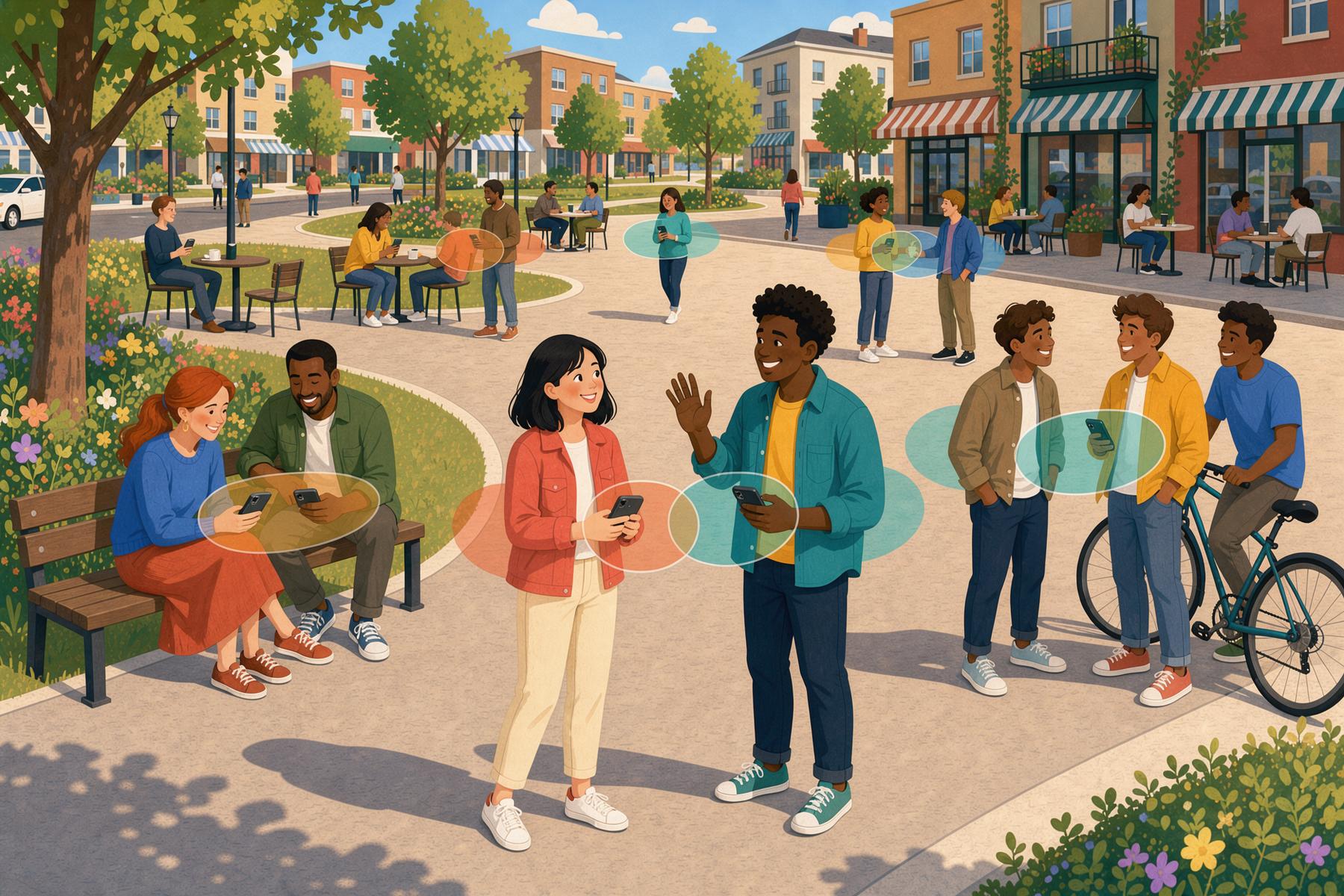
How Proximity Detection Works in Social Apps
Imagine walking through a bustling city street, a quiet café, or even a crowded subway. You glance up and lock eyes with someone for a brief moment. There’s a spark of curiosity, maybe you’d like to say hello, strike up a conversation, or simply acknowledge that fleeting connection. But life moves fast, and before you know it, the moment passes. What if there was a way to follow up on those real-life encounters without the pressure of dating apps or the awkwardness of cold approaches? That’s where proximity detection comes in, and it’s changing how we think about social connections in the digital age.
What Is Proximity Detection?
Proximity detection is a technology that identifies when two or more devices are near each other. It’s the backbone of apps like Matuvu, which help you reconnect with people you’ve crossed paths with in real life. Unlike traditional social networks that rely on mutual friends or shared interests, proximity detection focuses on the one thing that’s already happened: you were in the same place at the same time as someone else. No swiping, no algorithms, no guessing, just the simple fact of a real-life encounter.
How Does It Work?
At its core, proximity detection uses a combination of technologies to determine when two devices are close to each other. Here’s a breakdown of how it works:
-
Bluetooth Low Energy (BLE): Most proximity-based apps, including Matuvu, use BLE to detect nearby devices. BLE is a power-efficient version of Bluetooth that allows devices to communicate over short distances without draining battery life. When two devices with the same app installed come within range, they exchange anonymous signals to register the encounter.
-
Wi-Fi and GPS: Some apps also use Wi-Fi or GPS data to enhance accuracy, especially in urban environments where Bluetooth signals might be less reliable. Wi-Fi can help determine if two devices are connected to the same network, while GPS provides location context to confirm that the encounter happened in a specific place.
-
Time and Location Stamps: When an encounter is detected, the app records the time and approximate location of the interaction. This data is stored locally on your device and is only used to show you who you’ve crossed paths with, it’s never shared publicly or sold to third parties.
-
Anonymous Identifiers: To protect privacy, proximity detection apps don’t use real names or personal information. Instead, they assign anonymous identifiers to devices. This means you’ll see a list of people you’ve encountered, but you won’t know who they are until you both choose to connect.
Why Proximity Detection Matters
Proximity detection isn’t just about technology, it’s about human connection. In a world where digital interactions often replace face-to-face conversations, proximity detection brings the focus back to real-life encounters. Here’s why it’s a game-changer:
-
It’s Based on Real-Life Moments: Unlike dating apps that rely on profile matching or swiping, proximity detection starts with something that’s already happened, you saw someone in real life. This makes the connection feel more authentic and less forced.
-
It’s Intention-Neutral: Proximity detection doesn’t assume why you want to connect. Maybe you’re looking for a new friend, a collaborator, or just someone to share a coffee with. The app doesn’t label or categorize you, it simply helps you follow up on a real-life encounter.
-
It’s Privacy-First: Because proximity detection relies on anonymous identifiers and local data storage, your personal information stays private. You control who you connect with, and there’s no pressure to share more than you’re comfortable with.
-
It’s Simple: There’s no need to fill out lengthy profiles or answer endless questions. Proximity detection apps like Matuvu keep things minimal, just a photo and the option to start a conversation if both people are interested.
How Proximity Detection Enhances Everyday Life
Proximity detection isn’t just for romantic connections. It’s a tool for building all kinds of social relationships, from friendships to professional collaborations. Here are a few ways it can enhance your everyday life:
Making New Friends
Moving to a new city or neighborhood can be intimidating, especially if you don’t know anyone. Proximity detection helps you connect with people who are already part of your daily routine, whether it’s someone you see at the gym, a fellow commuter on the train, or a neighbor at your local café. Instead of scrolling through endless profiles, you can focus on people you’ve actually seen and might want to get to know.
Finding Collaborators
Ever had a great idea for a project but struggled to find the right people to work with? Proximity detection can help you connect with like-minded individuals in your area. Maybe you crossed paths with a designer at a coworking space, a developer at a tech meetup, or a writer at a local bookstore. With proximity detection, you can follow up on those encounters and explore potential collaborations.
Reconnecting with Familiar Faces
We’ve all had those moments where we see someone regularly but never get the chance to talk. Maybe it’s the barista who remembers your order, the dog walker you see every morning, or the fellow parent at your child’s school. Proximity detection gives you a way to acknowledge those familiar faces and turn them into real connections.
Exploring Shared Interests
Proximity detection isn’t just about who you see, it’s about where you see them. If you frequent a particular coffee shop, bookstore, or park, you’re likely to cross paths with people who share your interests. Maybe you’ll meet a fellow book lover, a music enthusiast, or someone who’s just as passionate about hiking as you are. These shared spaces create natural opportunities for connection.
How Matuvu Uses Proximity Detection
Matuvu is a social proximity app that uses proximity detection to help you reconnect with people you’ve seen in real life. Here’s how it works:
-
24-Hour Detection Window: Matuvu detects encounters that happen within the last 24 hours. This ensures that the people you see in the app are recent and relevant, no outdated or irrelevant connections.
-
Mutual Opt-In: You’ll only see someone in your list if they’ve also opted into the app. This means both of you have chosen to be part of the experience, making the connection feel more intentional and respectful.
-
Minimal Profiles: Matuvu keeps things simple. Each profile includes just one photo and no personal details like age, name, or bio. This puts the focus on the encounter itself, not on superficial judgments.
-
No Gender or Orientation Filtering: Unlike dating apps, Matuvu doesn’t ask you to declare a gender or orientation. Everyone who crossed your path appears in your list, giving you the freedom to connect with anyone you choose.
-
Privacy-First Approach: Matuvu is ad-free and doesn’t sell your data. Your encounters are stored locally on your device, and you control who you connect with.
The Future of Proximity Detection
Proximity detection is still a relatively new technology, but its potential is vast. As more people seek authentic, ethical ways to connect, proximity-based apps like Matuvu are leading the way. Here’s what the future might hold:
-
More Natural Interactions: As proximity detection becomes more widespread, it could help normalize the idea of following up on real-life encounters. Instead of feeling awkward about striking up a conversation, people might see it as a natural part of social interaction.
-
Enhanced Privacy Features: With growing concerns about data privacy, proximity detection apps will likely continue to prioritize user control and anonymity. This could include features like temporary identifiers or even more localized data storage.
-
Integration with Other Technologies: Proximity detection could be integrated with other technologies, like augmented reality (AR) or smart city initiatives, to create even more seamless social experiences. Imagine walking through a city and receiving a notification that someone you’ve crossed paths with before is nearby, without ever having to open an app.
-
Expanding Beyond Social Apps: Proximity detection isn’t just for social connections. It could be used in professional settings, like networking events or conferences, to help attendees connect with the right people. It could also be integrated into community-building initiatives, like local meetups or volunteer groups.
How to Get Started with Proximity Detection
If you’re curious about proximity detection and want to see how it works for yourself, here’s how to get started with Matuvu:
-
Download the App: Matuvu is available on both the App Store and Google Play. Install it on your device and create a simple profile with just one photo.
-
Enable Permissions: To detect encounters, Matuvu needs access to your device’s Bluetooth and location services. Don’t worry, your data stays private and is never shared with third parties.
-
Go About Your Day: The app works in the background, so you don’t need to do anything special. Just go about your daily routine, and Matuvu will detect the people you cross paths with.
-
Check Your List: Open the app to see a list of people you’ve encountered in the last 24 hours. If you see someone you’d like to connect with, you can send them a message. They’ll only receive it if they’ve also opted into the app.
-
Start a Conversation: If the other person is interested, you can start a conversation right in the app. Keep it casual and see where the connection takes you, whether it’s a friendship, a collaboration, or just a shared moment.
Final Thoughts
Proximity detection is more than just a technology, it’s a way to bring the focus back to real-life interactions. In a world where digital connections often feel impersonal, proximity detection offers a simple, ethical way to reconnect with the people you’ve seen in your everyday life. Whether you’re looking to make new friends, find collaborators, or just acknowledge a familiar face, proximity detection apps like Matuvu make it easier to follow up on those fleeting moments and turn them into meaningful connections.
So next time you cross paths with someone and feel that spark of curiosity, remember: the connection doesn’t have to end there. With proximity detection, you have the power to follow up on real-life encounters and let the conversation unfold naturally. All the people you saw today could be just a tap away.